Most "ADHD sensory toy" lists are written for eight-year-olds and then sold to thirty-five-year-olds. The truth is that adult ADHD brains need the same thing kids do — regulated sensory input — but the form has to fit an adult life: meetings, deep work, evenings on the couch, falling asleep without spiralling. Below are the categories of sensory toys that hold up for adults, and how to tell the genuinely calming ones from the merely distracting ones.
Why ADHD adults respond to sensory input
ADHD isn't a deficit of attention so much as a difficulty regulating it. The dopaminergic system under-responds to low-stimulus tasks, so the brain seeks input — tapping, scrolling, snacking, standing up for the fourth time. Sensory tools work by feeding the nervous system steady, predictable input so it stops hunting for it. The two inputs with the strongest evidence are proprioception (deep pressure on the body) and tactile rhythm (slow, repetitive movement in the hands).
The four categories worth owning
- Weighted plushes and lap pads. Deep Pressure Stimulation — the same mechanism behind weighted blankets — slows heart rate and quiets the urge to fidget. A 1–1.5 kg weighted animal on your lap during deep work is the single most useful sensory tool most ADHD adults haven't tried.
- Quiet tactile fidgets. Smooth worry stones, kinetic rings, textured silicone. The rule: if it clicks or rattles, it's a stim toy, not a focus tool. Silence keeps it in the meeting.
- Compression and grounding wear. Compression vests, weighted shoulder wraps, even a snug hoodie. Adults rarely buy these but consistently rate them highest once they try.
- Slow-resistance hand tools. Putty, stress balls with real resistance, hand strengtheners. The slow effort discharges restlessness without taking your eyes off the screen.
What to skip
- Pop-its and fidget cubes for focus — they recruit attention rather than freeing it. Fine as a between-task reset, useless during the task.
- Light-up or noise-making toys — they add stimulus to a brain already over-stimulated.
- Tiny "executive desk toys" — usually too novel to last, too small to ground.
A simple ADHD sensory routine
- Before a deep-work block: 60 seconds of slow hand resistance — putty, a stress ball, a hand strengthener.
- During the block: a weighted plush across your lap or shoulders.
- Between blocks: stand up, stretch, change the input. Don't reach for the phone.
- Wind-down: dim the lights, weighted plush on the chest, longer exhale than inhale.
Why we made Ollie for adults too
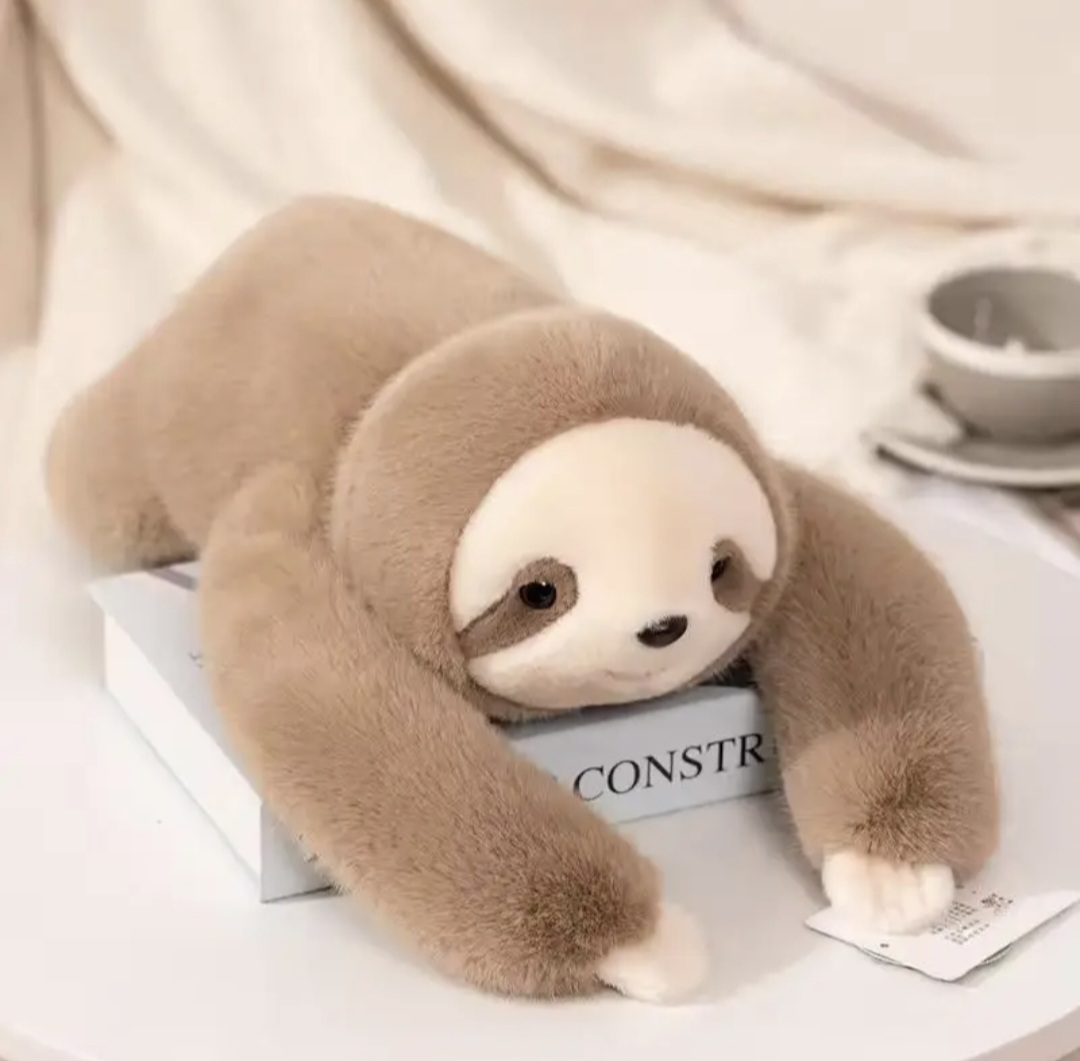
Most weighted plushes are designed and marketed for kids. Ollie is a 1.2 kg weighted sloth with the weight sealed inside long, drape-able arms — sized so it works on an adult lap and shoulders, not just a small child's chest. The face is calm, not cute-aggressive. It looks at home on a desk, on a sofa, in a bed. For ADHD adults who don't want to sit at their laptop holding a brightly coloured therapy tool, that matters.
Meet Ollie
A weighted sensory sloth for ADHD, anxiety and sensory overload — built to be used by adults, not just photographed with kids.
Bring Ollie home — $65Note: This article is general information and not a substitute for medical, psychiatric or occupational therapy advice. Weighted sensory items should be roughly 10% of body weight and are not recommended for anyone unable to remove the item independently.