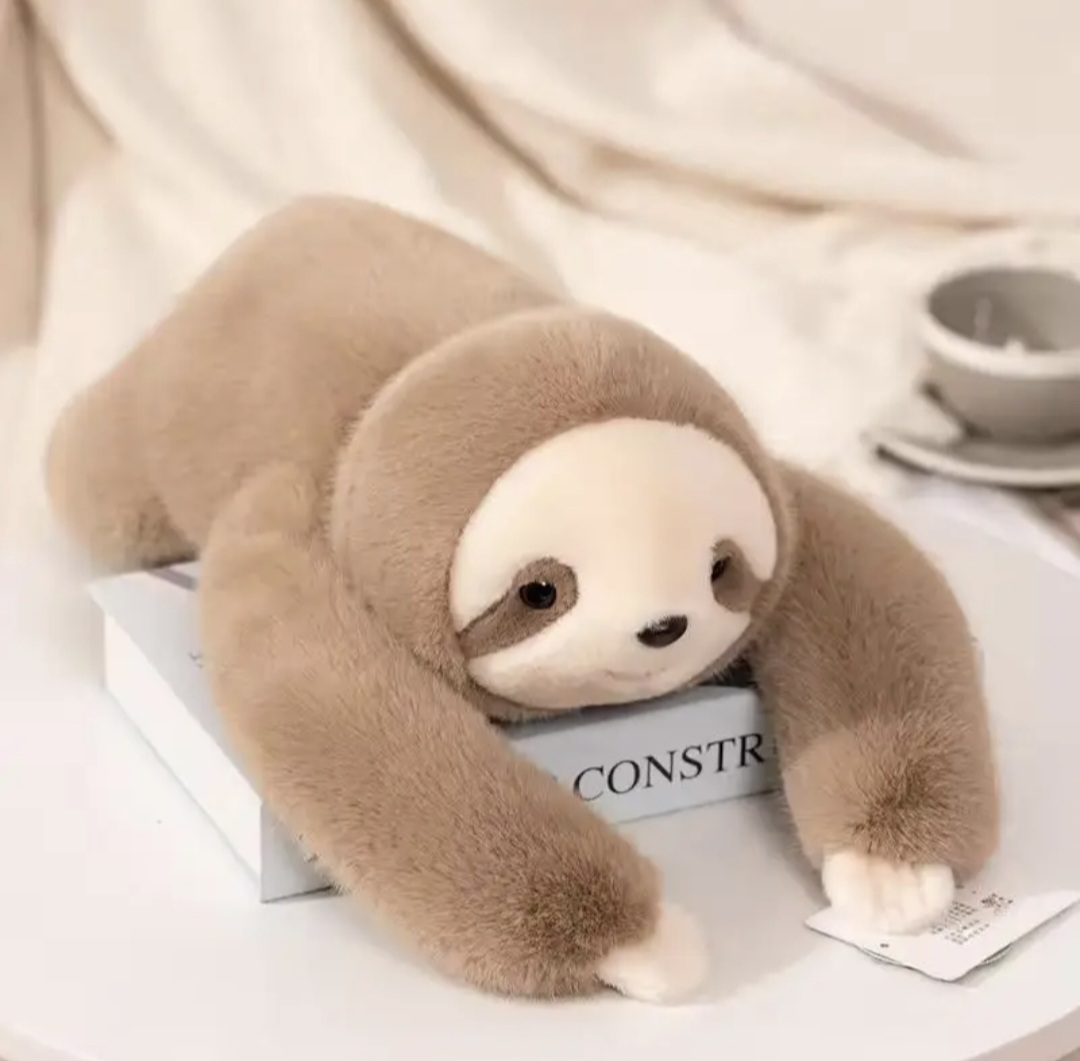
Sensory overload happens when the brain takes in more input — sound, light, touch, motion — than it can comfortably process. Hearts race, shoulders tense, focus shatters. For people with autism, ADHD, anxiety or Sensory Processing Disorder (SPD), it can happen several times a day. A weighted stuffed animal is one of the simplest, gentlest tools to interrupt that spiral.
Why weight calms the nervous system
The mechanism is called Deep Pressure Stimulation (DPS) — sometimes also called Deep Touch Pressure. The steady, even pressure of a weighted plush across your shoulders, lap or chest signals the parasympathetic nervous system to shift out of fight-or-flight and into rest-and-digest. Studies on weighted blankets and vests have shown reductions in cortisol, slower heart rates and lower self-reported anxiety after just a few minutes of use.
A weighted stuffed animal delivers the same pressure in a smaller, more portable, more emotionally inviting form. For kids who refuse a heavy blanket, or adults who don't want to look "clinical" on the couch, a sensory plush is often the version that actually gets used.
Who benefits most
- Children with autism or SPD — for co-regulation at bedtime, after school, or in the car.
- Teens with anxiety or exam stress — a discreet companion that doesn't broadcast "therapy tool".
- ADHD adults — the weight on your lap during deep work helps quiet the urge to fidget without blocking it.
- Anyone unwinding from overstimulation — sensory overload from crowds, open-plan offices or long screen days settles faster with grounded pressure.
What to look for in a weighted plush
- About 10% of body weight, max. The general therapeutic guideline for weighted sensory items is roughly 10% of the user's body weight. A 1–1.5 kg plush suits most kids, teens and adults for short use.
- Weight in the right place. Look for weight in the limbs (arms or paws), not just the belly. Limb-weighted plushes drape and hug back; belly-weighted ones just sit.
- Sealed, non-removable pouches. Children should never be able to access the filling. Look for sewn-in inner pouches.
- Soft, sensory-safe outer fabric. Tags, scratchy seams and synthetic squeak can undo the calming effect for a sensitive user.
- Age suitability. Weighted items are not recommended for children under 3, or for anyone unable to remove the item independently.
How to use one during a sensory overload moment
- Move somewhere quieter and dimmer if you can — even just turning away from a screen helps.
- Drape the weighted arms across your shoulders, lap or chest.
- Breathe out longer than you breathe in. Try 4 in, 6 out, for about a minute.
- Give it 5–10 minutes. DPS isn't instant — most people feel a noticeable shift around the 10-minute mark.
A weighted sloth, specifically
We designed Ollie as a weighted sloth because sloths are slow on purpose — long arms that drape, a calm posture, no sudden faces or hard textures. The weight lives inside Ollie's hands, sealed in non-removable inner pouches, so when those long arms wrap around you, you get clinical-grade deep pressure in a form that doesn't feel clinical at all.
Meet Ollie
A weighted sensory sloth for sensory overload, overstimulation and anxiety — for kids, teens and adults.
Bring Ollie home — AU$85Safety note: As a general therapeutic guideline, weighted sensory items should be approximately 10% of the user's body weight. Not recommended for children under 3, or for individuals unable to remove the item independently. This article is general information and not a substitute for medical or occupational therapy advice.